
California Cardrooms Maintain Operations After Judicial Review of State Gaming Rules
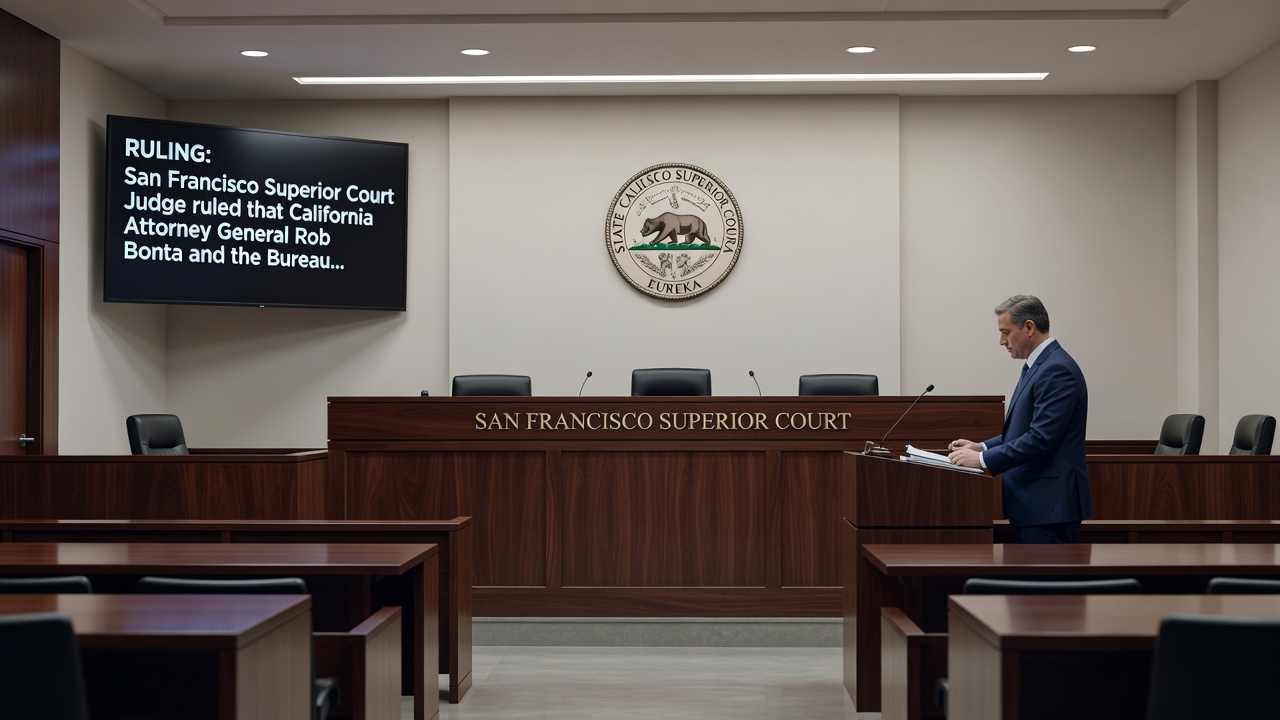
A San Francisco Superior Court judge has determined that California Attorney General Rob Bonta along with the Bureau of Gambling Control went beyond their legal powers when they introduced regulations designed to prohibit blackjack-style games and limit player-dealer arrangements at cardrooms across the state, and this ruling comes after an earlier preliminary injunction issued in May that already paused enforcement of those measures.
Background on the Regulatory Dispute
Cardrooms in California have operated under specific rules that distinguish them from tribal casinos, and the proposed changes from the Bureau sought to alter how certain table games function by reclassifying player-dealer formats and restricting variations that resemble traditional blackjack, yet the court found these actions exceeded the authority granted under existing statutes that govern the Bureau's oversight role.
The decision allows dozens of cardrooms to keep offering the games without interruption, and these activities account for substantial portions of venue income such as approximately 60 percent at some locations where the revenue directly supports employment for dealers, floor staff, and management teams while also contributing to local tax collections that fund municipal services.
Economic Role of Cardroom Games
Data on the financial contributions from these operations show consistent patterns where cardrooms generate steady income streams that sustain hundreds of jobs in regions from Northern California down through the Central Valley, and figures reveal that such venues pay millions in state and local taxes each year based on historical records from industry reports that track gross gaming revenue.
One study from 2019 examined the broader effects and indicated that restrictions on player-dealer practices could reduce overall activity by significant margins, leading to corresponding drops in employment and tax payments that communities rely upon for infrastructure and public safety budgets, while the current ruling preserves the status quo during ongoing legal proceedings.
Details of the Court Ruling and Appeal Process
The judge's order followed arguments presented by cardroom operators who contended that the Bureau lacked statutory backing to implement the bans through administrative channels rather than through legislative action, and the court agreed that the regulations represented an overreach into areas reserved for lawmakers.
Now in September 2026 the Bureau has filed an appeal that will move the case to a higher court, which means the preliminary relief remains in effect and cardrooms continue normal operations while the legal process unfolds over the coming months with potential implications for how future gaming rules get developed and enforced.
Observers note that the appeal focuses on interpretations of the Gambling Control Act and related provisions that define the Bureau's scope, and legal teams on both sides prepare briefs that examine prior precedents involving administrative authority in the gambling sector.
Impact on Local Communities and Industry Practices
Cardroom representatives have highlighted how the continuity of these games supports not only direct employment but also ancillary businesses such as restaurants, security services, and transportation providers that serve the venues, and data from multiple locations demonstrate that blackjack-style offerings attract regular patrons who spend on food, beverages, and other amenities during visits.
The ruling does not alter the fundamental separation between cardrooms and tribal gaming facilities, yet it clarifies boundaries around regulatory power that affect how the state approaches oversight of player-banked games and dealer rotation systems that have been standard in California cardrooms for decades.
Next Steps in the Legal Proceedings
Attorneys for the cardroom operators expect the appeal process to examine whether the Bureau's regulations aligned with legislative intent from previous gambling reform measures, and court schedules indicate that initial hearings could occur before the end of 2026 while the injunction stays active to prevent any abrupt changes to game availability.
State officials have not issued detailed public statements beyond confirming the appeal filing, and industry analysts track how the outcome might influence similar regulatory efforts in other jurisdictions that balance consumer protection concerns with economic contributions from licensed gaming establishments.
Conclusion
The San Francisco court decision maintains existing operations at California cardrooms by blocking the proposed regulations on blackjack-style games and player-dealer practices, and the Bureau's appeal sets the stage for further judicial review that will shape the regulatory landscape moving forward into late 2026 and beyond.